How to Create a Portfolio and Get Hired

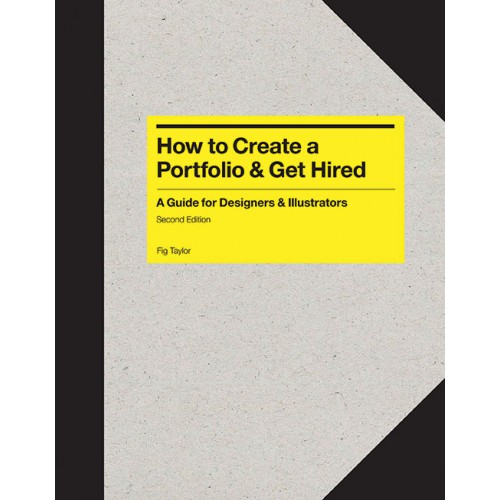
ht-porfolio-cover-2Just like storytelling is important for brands, it is equally as important for creating your portfolio. The second edition of How to Create a Portfolio and Get Hired is a guide for graphic designers and illustrators. Discover how to put together a successful professional digital or print portfolio. Learn how to effectively organize and display your work, so that you tell the story of you.

This is not a book that’s overly preoccupied with style. As author Fig Taylor says,

“The world is full of coffee-table tomes that wax lyrical about the stylishness of contemporary design and illustration; this is, first and foremost, a book that’s concerned with content.”photo (4)


It is also a book about transition: the groundwork you need to lay in order to establish yourself in a chosen career.

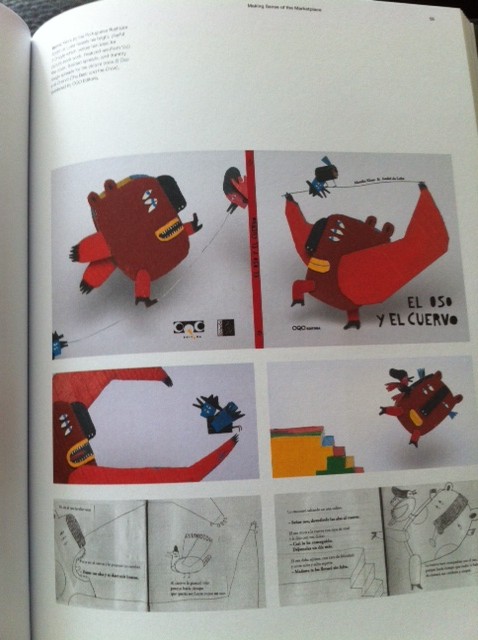
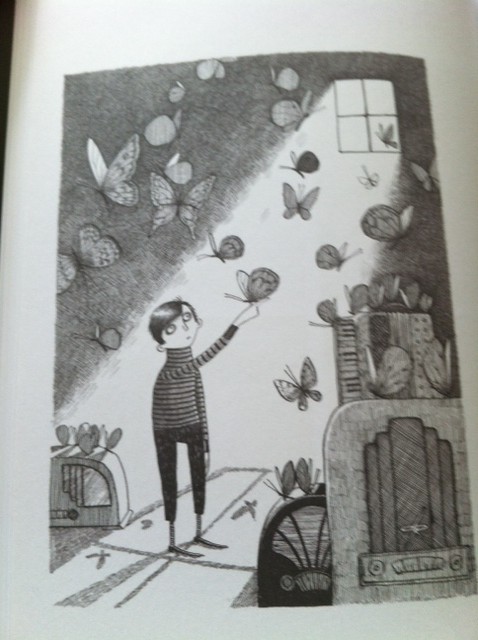
The book is beautifully laid out. There are numerous Illustrative examples on how to put a portfolio together, in addition to, an overview of the range of options available to you. Quotes from key players offer soundbites of good advice. It includes information on research and cold-calling; good interview and presentation techniques.

“Those who phone have 95% done their homework. 
Those who email are 75% relevant.
Post is worst; at least 60% is inappropriate.”
~ Martin Colyer, Art Director, Reader’s Digest

photo (5)

Thinking with Type

A black page or screen confronts the creative thinker with fundamental questions. What type of typeface to use? What size? How those letters, words, paragraphs should be aligned, spaced, ordered and shaped. As a copywriter, you are always thinking of the best way to make the words leap from the page; as a designer you’re constantly pushing yourself to make it happen. And, as we know, magic happens when words and design dance together.

Thinking with Type, the revised and expanded 2nd Edition of the classic design handbook will help you get thinking about how to think and create by playing around with type. But instead of trial and error, it will provide you with the principles, examples and exercises, to ensure that you don’t commit type crimes.

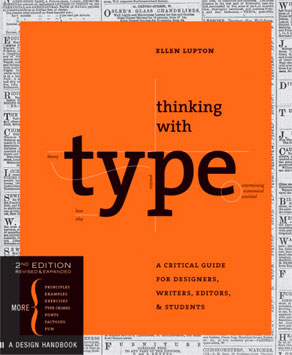
thinking-with-typeThis is not a book about fonts. This is a book about how to use them. Typefaces are an essential resource employed by graphic designers, just as glass, stone, steel and other materials are employed by architects.

This updated edition has been widely adopted by design programs around the world. Created to form a better understanding between design and text, it’s beautifully combines a world when the two collaborate. It aims to be relevant across the media of visual design, whether its on the printed page or the digital surface.

Building on the basics of Letter, Text and Grid, the reader is enlightened about the cultural and theoretical issues that fuel typographic design.

Words originated as gestures of the body. Typography shapes content, giving language a physical body, and enables the social flow of messages. The book is about thinking with typography.

photo (3)

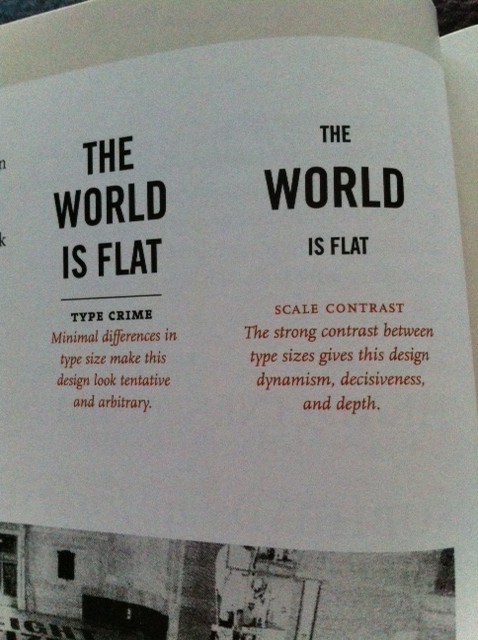
“Designers create hierarchy and contrast by playing with the scale of letterforms. Changes in scale help create visual contrast, movement, and depth as well as express hierarchies of importance. Scale is physical. People inevitably judge the size of objects in relation to their own bodies and environments.”

Thinking in Type by Ellen Upton, is published by Princeton Architectural Press and distributed in Canada by Raincoast Books

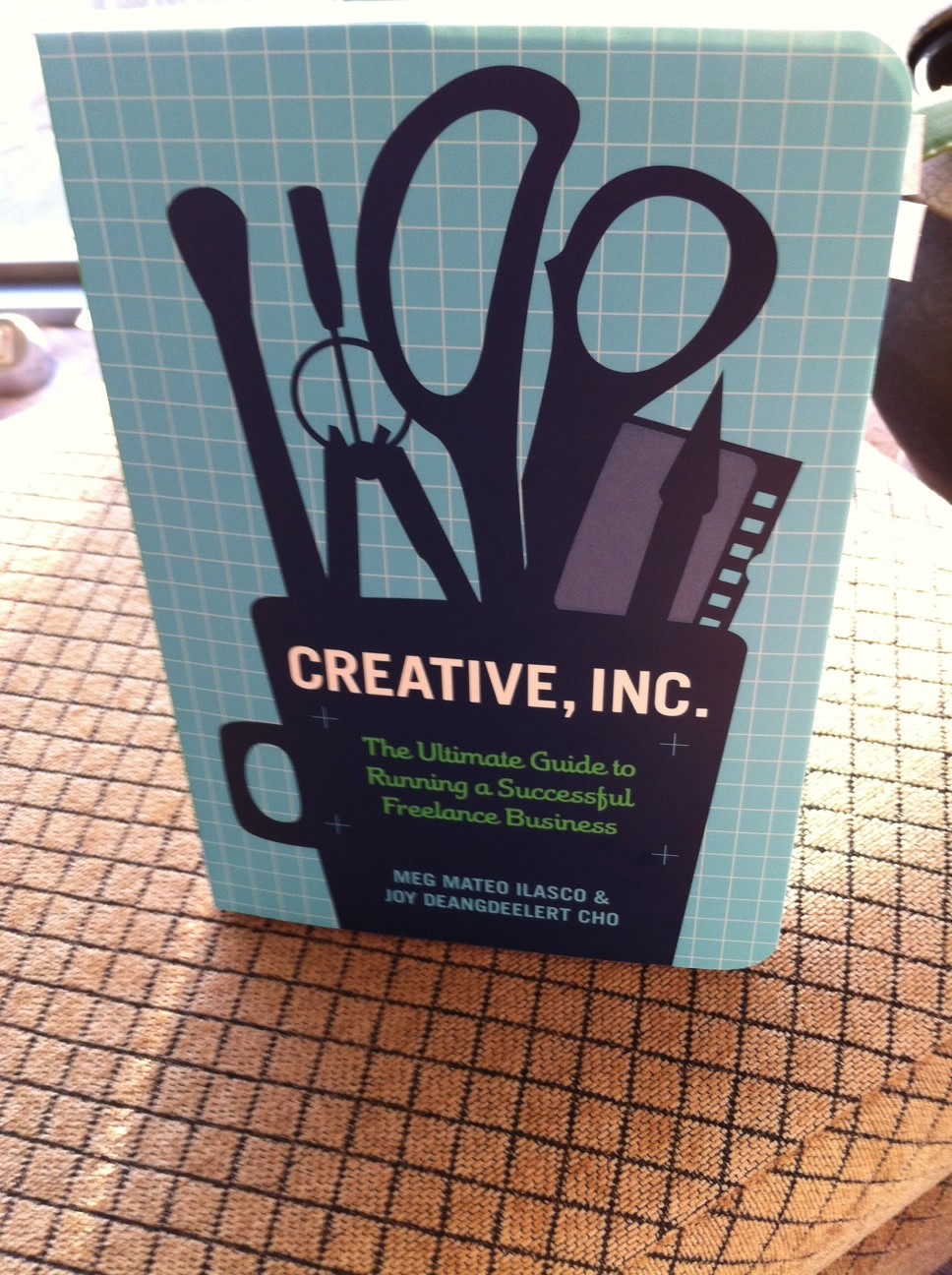
Creative, Inc.

There is no greater joy that running your own show. You get to pick your own projects and call all the shots (well, with the client’s approval of course). From years of working in an agency environment, I was able to hone a keen understanding of what the client wanted. And, once you listen to the client, you can use your creative skills to create a mutually beneficial relationship based on trust and hard work.

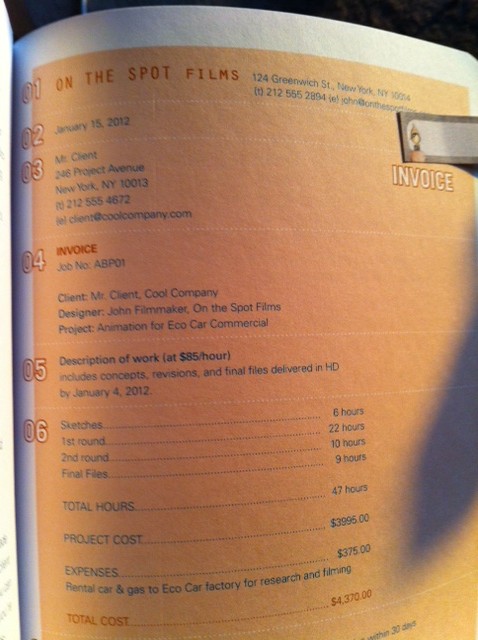
But if you are a young creative thinking of venturing out into the world of freelancing, where do you start? What do you need to pitch a client? How do you go about creating an estimate? How do you invoice your clients? It can all be a bit daunting, but with the right steps you will be successful in laying the foundations of a great venture.

photo

Published by Chronicle Books and distributed in Canada by Raincoast Books.

I came across a book that I think is just the absolute guide to running a successful freelance business. It’s called Creative Inc. This handy guide is packed with real-life advice from freelance superstars who have excelled in their industries (and made mistakes you can avoid). Most creatives aren’t born with a calculator in their hands. They don’t love to crunch numbers, or have the innate ability to write up estimates. And why should they? They are creative after all. Their minds think up absurd designs and concepts and campaigns.

But if you want to get out on your own, you need to at least learn the basics of what you need to succeed. You could go back to business school and learn it (which is never a bad thing, by the way) or your could read up on how to do it. With the internet, there are countless resources to help you do so. But, if you had one book that was easy to read that could teach it all to you in a step-by-step manner, then Creative Inc. is the perfect companion guide. And, a bonus to this is if you are like me and love a physical book that you can put on your bookshelf and reference at the drop of a hat. (Remember, you will be wearing a lot of hats, running your own company.)

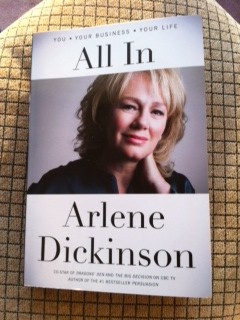
By the way, here’s a good segue if you haven’t read Arlene Dickinson’s book All In, to decide whether you really want to do this (before you dive right in).

So, here are a few things that Creative Inc. (the Book) by Meg Mateo Ilasco & Joy Deangdeelert Cho will teach you.

photo (1)


Learn how to:

  • Create a standout portfolio
  • Set your fees and terms
  • Negotiate contracts
  • Create an estimate/invoice
  • Handle your bookkeeping
  • Grow your business
  • Give yourself a vacation


Creative Inc. is sort of a text book, except personally I think it’s handier and easy to reference. It may help you demystify your fears, but what it will help you get are solid building blocks to get you started in a world that can be very rewarding.

The Filmmaker Says

Francis Ford Coppola once said, “If you don’t take a risk then how are you going to make something really beautiful, that hasn’t been seen before?”

The art of film making is like any other craft. You need to have passion and you need to take risks to make that passion a reality. And to keep at it, you have to be inspired. Where do you get your inspirations from? You get them from quotes, quips and words of wisdom from people who have trekked through that exact same path — famous Hollywood directors, filmmakers and other creatives.

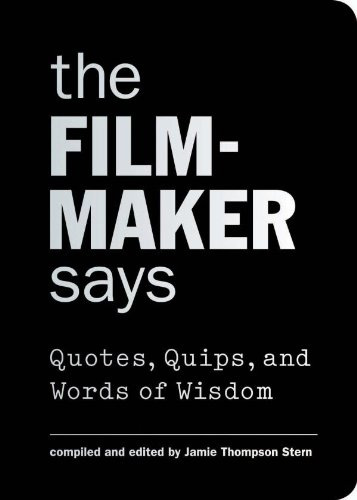
the_film-maker_saysIn the book The Filmmaker Says published by Princeton Architectural Press you’ll find just that. This collection gives you insight into the conversations that filmmakers have had and in the process of reading, perhaps you may be inspired to formulate your own views on what matters — about the movies or about creativity in general.

No doubt this is a book that you will go to when you need a creative nudge or a pick-me-up. And in doing so, you just may get closer to making your dream a reality.


Published by Princeton Architectural Press and distributed in Canada by Raincoast Books

Cinema
without risk
is like having
no sex and
expecting
to have a baby.
You have to
take a risk.

~ Francis Ford Coppola

The Designer Says

More often than not, designers have to compromise on their vision and conform to what the client or creative director wants. “Make the logo bigger” is one of those phrases designers will hear at least a thousand times in their career. But true creatives just create because they love the art of creating.

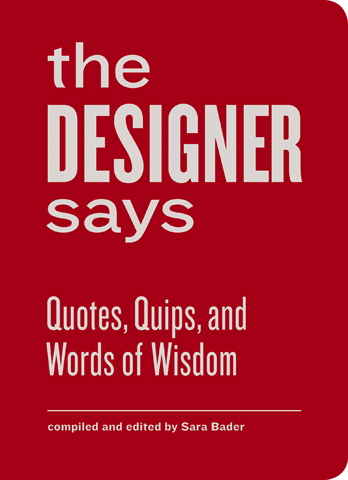
In those times, it’s nice to have a little pick me up, to remind us of what truly matters. Sara Bader has complied a list of quotes, quips and words of wisdom, in one lovely reference book: The Designer Says. Published by Princeton Architectural Press and distributed in Canada by Raincoast Books, this compendium of insights from over one hundred of history’s leading graphic minds, is a delightful must-have book on every designer’s shelf.

I WANT TO MAKE
BEAUTIFUL
THINGS,
EVEN IF NOBODY CARES.

Saul Bass (1920-1996)

thedesignersaysThe Designer Says is a perfect pick-me-up on a day when you’re feeling down and wondering why you ever got into this crazy, demanding industry. It will give you a smile and inspire you to never give a damn what anyone says. You are your own worst critic. Just keep on designing.


MOST PEOPLE
HAVE SOMETHING
POSITIVE TO
OFFER, EVEN 
IF IT IS TOTAL RESISTANCE.

Andrew Blauvet

New Year’s Resolution: All In

photo (40)


“Being an entrepreneur is a lot like being in love: you’re totally into your work and want to spend every waking second with it. However, as anyone who’s ever been in love knows, at some point the honeymoon is over. And as any marriage counselor will tell you, that’s when the hard work of a successful marriage begins.” ~ Arlene Dickinson.


If you are an entrepreneur you know that it is an all-encompassing lifestyle. And no one understands this better than Arlene Dickinson, venture capitalist and host of the acclaimed award-winning CBC show Dragons’ Den. In her latest book, All In, she lays it all on the line for entrepreneurs, and helps them identify and confront their daily demons. Whether it’s facing fears of guilt, rejection or balancing personal and professional lives, Arlene shares firsthand experiences and stories from other entrepreneurs who have been there in the journey of trying to live up to their dreams.

As we start a new year, we’ll be setting new goals and benchmarks to reach for both our personal and business life. From the stories and insights of Arlene’s powerful book All In, we’ve learnt a few things that have once again given a kick-start to our business acumen. Here are a few things that we gleaned from Arlene Dickinson’s book that will be a reminder for us to not take ourselves too seriously, and ensure that we enjoy the journey in the new year (rather than focus on the destination). When you read All In, you’ll be able to extrapolate your own #ThinkBlink list. But in 2014, we resolve to:

1.     Stop feeling guilty if we don’t have a work/life balance. According to Dickinson, if you are an entrepreneur, work/life balance is a myth. “When you love what you do, it tends to occupy a lot of mental real estate. Even if you are on a beach in the Caribbean, your brain may be clocking hours at work, reading on books to improve your leadership style…brainstorming new possibilities.”
2.     Be present wherever we are. Avoid constantly checking emails at the dinner table.
3.     Wear our passions on our sleeve. Arlene says, “Some people view sincerity as a lack of sophistication and think enthusiasm is corny. Others view those same qualities as hallmarks of authenticity. Because I believed so much in what I was trying to create, they believed in me too.”
4.     Evaluate any major decision by carefully considering what might be the worst thing that they could happen. Consider future regrets.
5.     Incorporate fitness into our schedule. Did you know that most successful entrepreneurs are either addicted to it or find a way to include it into their hectic life.
6.     Remove emotions from the equation, and mistakes will become opportunities for learning, not self-punishment. It’s the best way to recover and move on quickly.
7.     Stay grounded if success taps you on the shoulder early.
8.     Demonstrate unshakable self-belief. Just take a shot and see what happens.

There is a key takeaway from the book that is all the more relevant today than in generations past. In the globalized marketplace of 2014, the entrepreneurial ethos needs to be embraced more strongly than ever.

Competition is fierce from large corporations at home and abroad, yet those big companies are never the incubators of innovation; entrepreneurs are the life blood of an economy.

All In shows that entrepreneurship isn’t a cloak we can put on and take off when we desire. It’s woven into our creative thinking and daily being. Arlene Dickinson’s book is an accessible read, free of management consulting doublespeak. It is a book that helps you Think Blink about the challenges of the entrepreneurial life and as 2014 dawns, we are all in on that sentiment.

What’s brand got to do with it? Glenfiddich knows.

A recent post on sukasastyle.com suggests that snobbery is not the exclusive purview of wine lovers, but rather scotch lovers exhibit it in spades. It’s not surprising really.

Scotch has widely gained a notoriety not only amongst those who don’t need to clutch their purse strings as tightly, but also amongst the want-to-be’s. Look around you and you’ll notice that people aren’t just drinking a category anymore. Which means, most people don’t ask the bartender for a scotch. True scotch drinkers drink a name, a brand. And even within a brand there are distinctions such as the year. So, whether it’s Glenfiddich 18-year or Laphroaig 10 Year, scotch aficionados know exactly what they want.  It’s no wonder that scotch branding snobbery is on the top of the list of advertising creatives.

It goes to show that great marketing results are achieved by the delicate art of creating a want in the consumer. Of course, you have to have a great product. That goes without saying. @SukasaStyle understands the subtle nuances of taste and preference. If you follow their popular #ScotchSunday posts, you’ll understand that scotch has the nuances and complexities of wine. And, look how well the branding of wine turned out. Now a billion dollar industry, wine advertising covers everything from product design, marketing, social media engagement, product placements, restaurant exclusives.

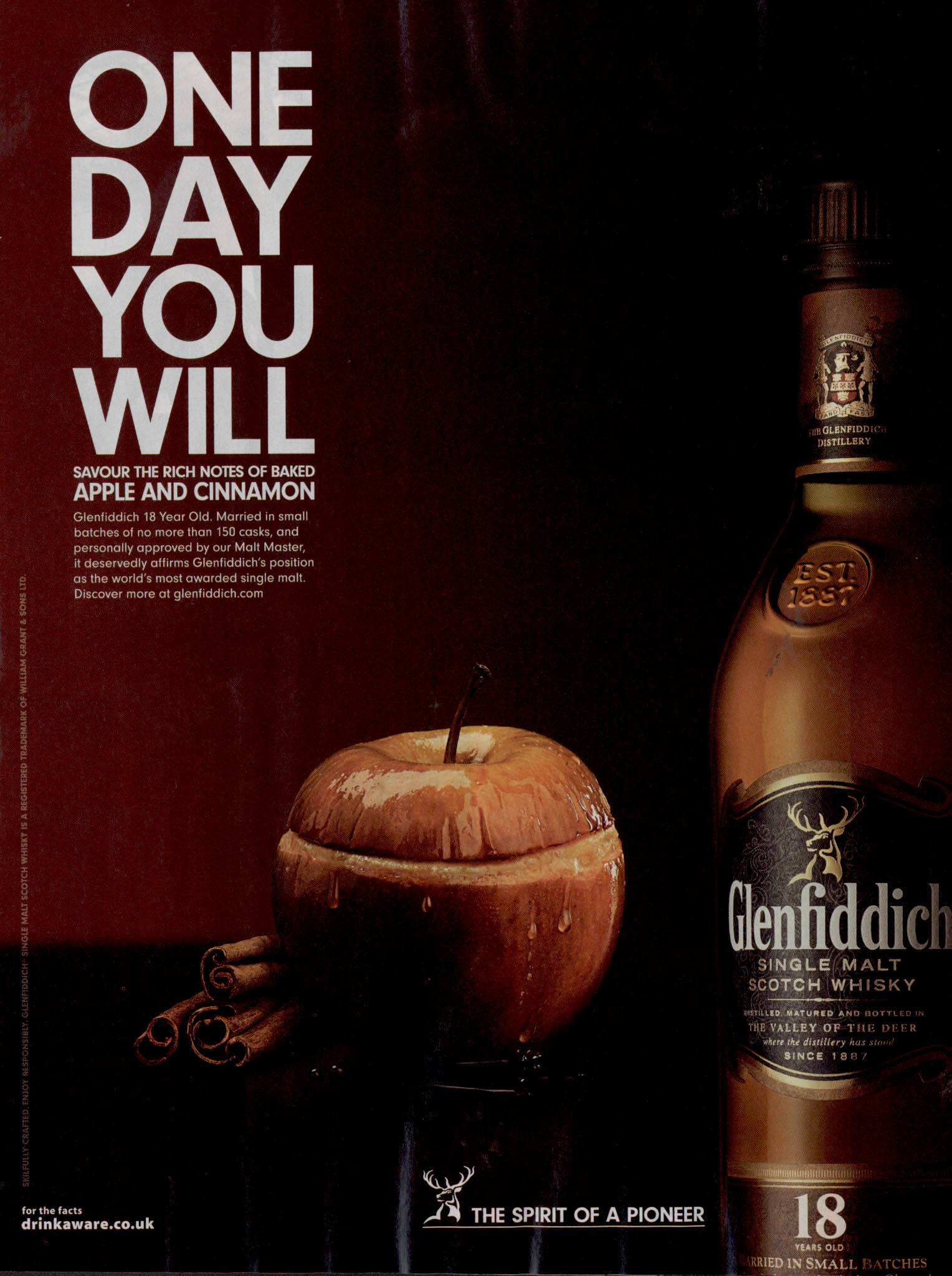
Taking  Glenfiddich as our example, what does this brand do well?

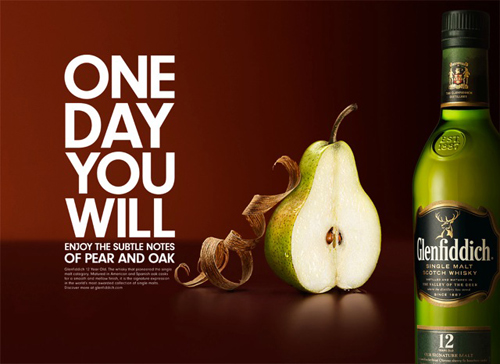
1. Consistent brand representation – look at the ads. They have a specific look and feel. Clean, classy and perhaps even a bit sassy.
2. Whether it’s the right tagline remains debatable, but Glenfiddich sure does tout around it’s tagline “The World’s Most Awarded Single Malt”. Perhaps
3. Accessible and understandable Social Media presence
4. Sticking to the KISS principleglenfiddich_australia_18-12-10-v2 glenfiddich_australia_18-12-10-v3 Glenfiddich1


Permission of sukasastyle.com